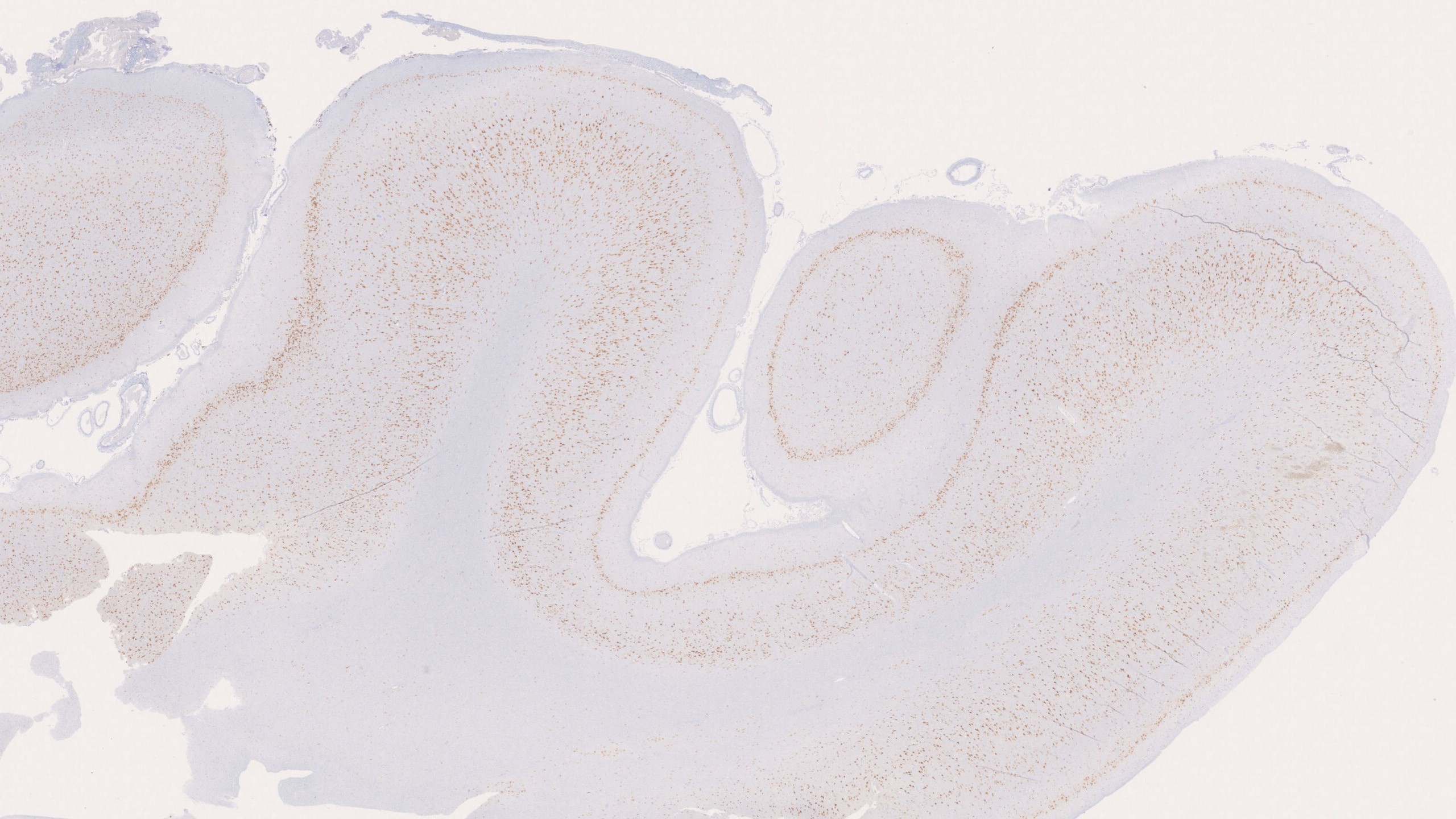
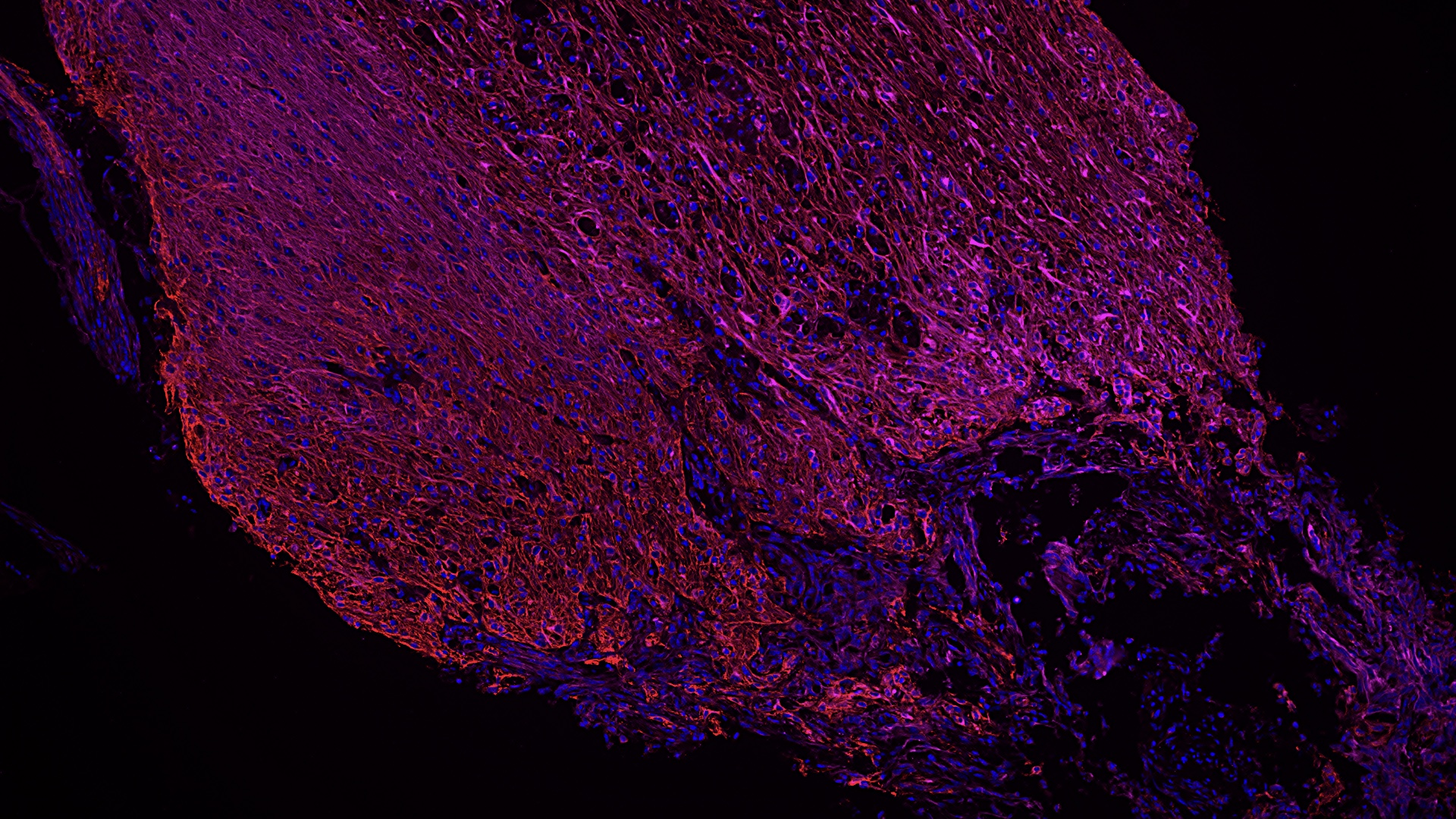
Epilepsy affects people of all ages and backgrounds, with approximately 50 million people worldwide, making it one of the most common neurological disorders.
The problem
We still cannot reliably identify who will develop epilepsy after a first seizure or another brain insult, nor can we predict the course of disease or response to treatment. At the same time, epilepsy can arise from very different biological causes. The same alteration may cause severe epilepsy in one person and little or no disease in another.
This suggests that the cause alone does not determine the outcome. Different molecular, cellular and structural changes can converge on a similar epileptic tissue state. Understanding this convergence is the central question of my research.
What we want to understand
At the Kobow Lab, we study epilepsy as a systems problem. Rather than asking which individual mechanism causes epilepsy, we ask how different biological processes interact and how these interactions change the state of brain tissue over time.
Our current work focuses on processes that act across different spatial and temporal scales, including epigenetic ageing, circadian regulation and tissue mechanics. We are particularly interested in changes that precede spontaneous seizures and may distinguish a brain that will develop epilepsy from one that remains resilient.
Two main concepts guide our work:
Degeneracy – Structurally different elements produce the same output, so several routes are sufficient for epilepsy and none is necessary. A test for one marker therefore finds only the patients who took that route.
Convergence – Those routes settle into a shared tissue state that has measurable features of its own. Once the tissue is in that state, the original cause constrains the phenotype less than the state does.
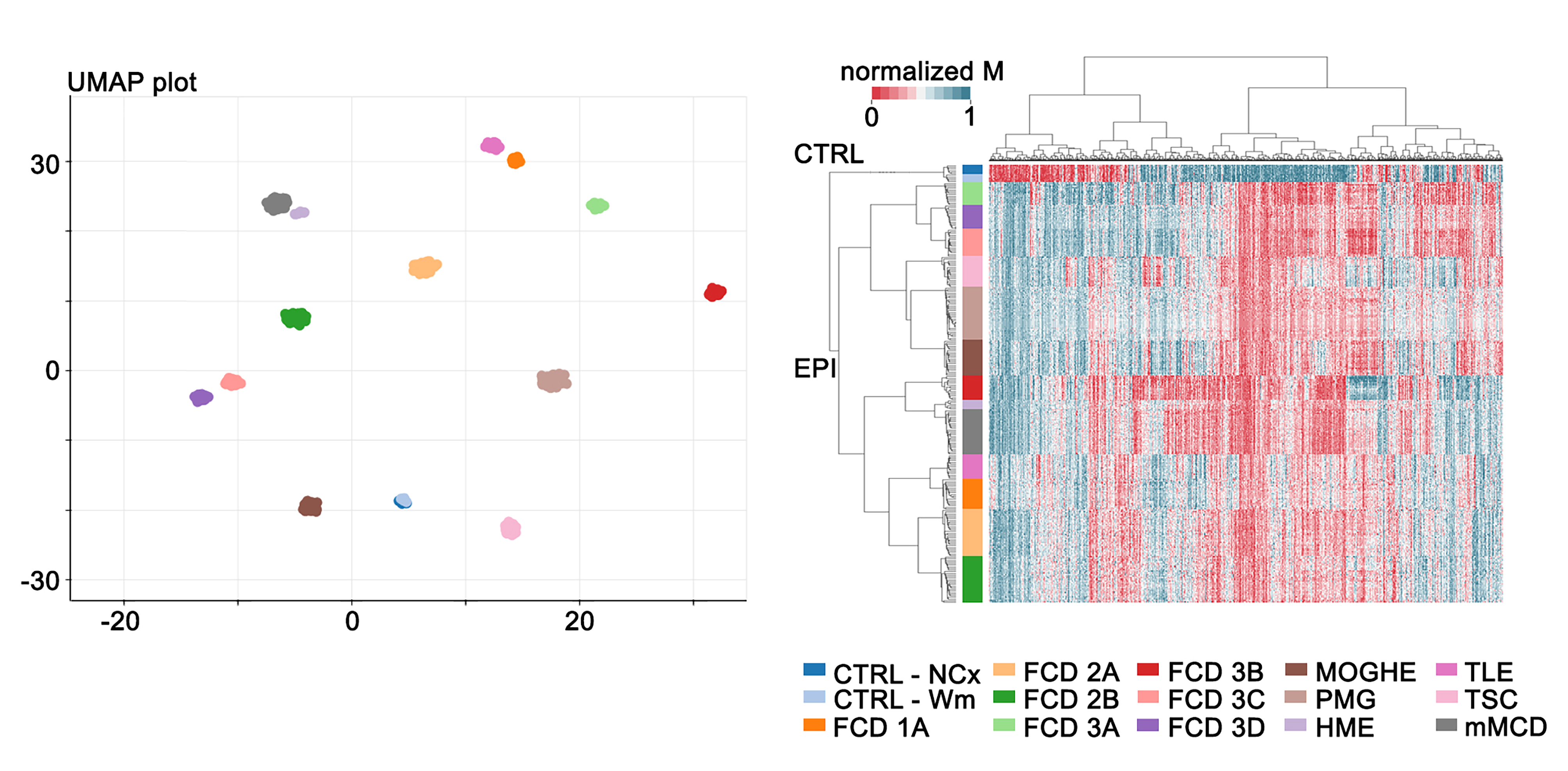
The two are not the same. Degeneracy concerns the mapping from causes to outcome and predicts that no single cause is indispensable. Convergence concerns the outcome itself and predicts a signature that is detectable across aetiologies. Together, they provide a framework for studying the epilepsies without assuming a single (driving) disease mechanism.
What we want to achieve
Understanding – We identify the principles by which different perturbations converge on an epileptic tissue state, and determine which changes precede, accompany or follow it.
Translation – We want to make these states measurable in patients. By combining molecular biomarkers with digital pathology, EEG and other clinical markers, and AI, we aim to improve diagnosis and, importantly, prognosis. Who is developing epilepsy? How is the disease likely to progress? Which patients are biologically similar despite different clinical diagnoses?
How we work
Human tissue is the starting point. Experimental models are only used to test mechanisms identified in human disease. Whenever possible, different measurements are obtained from the same tissue or patient rather than compared across separate cohorts. This allows relationships between molecular, structural, and functional changes to be measured directly.
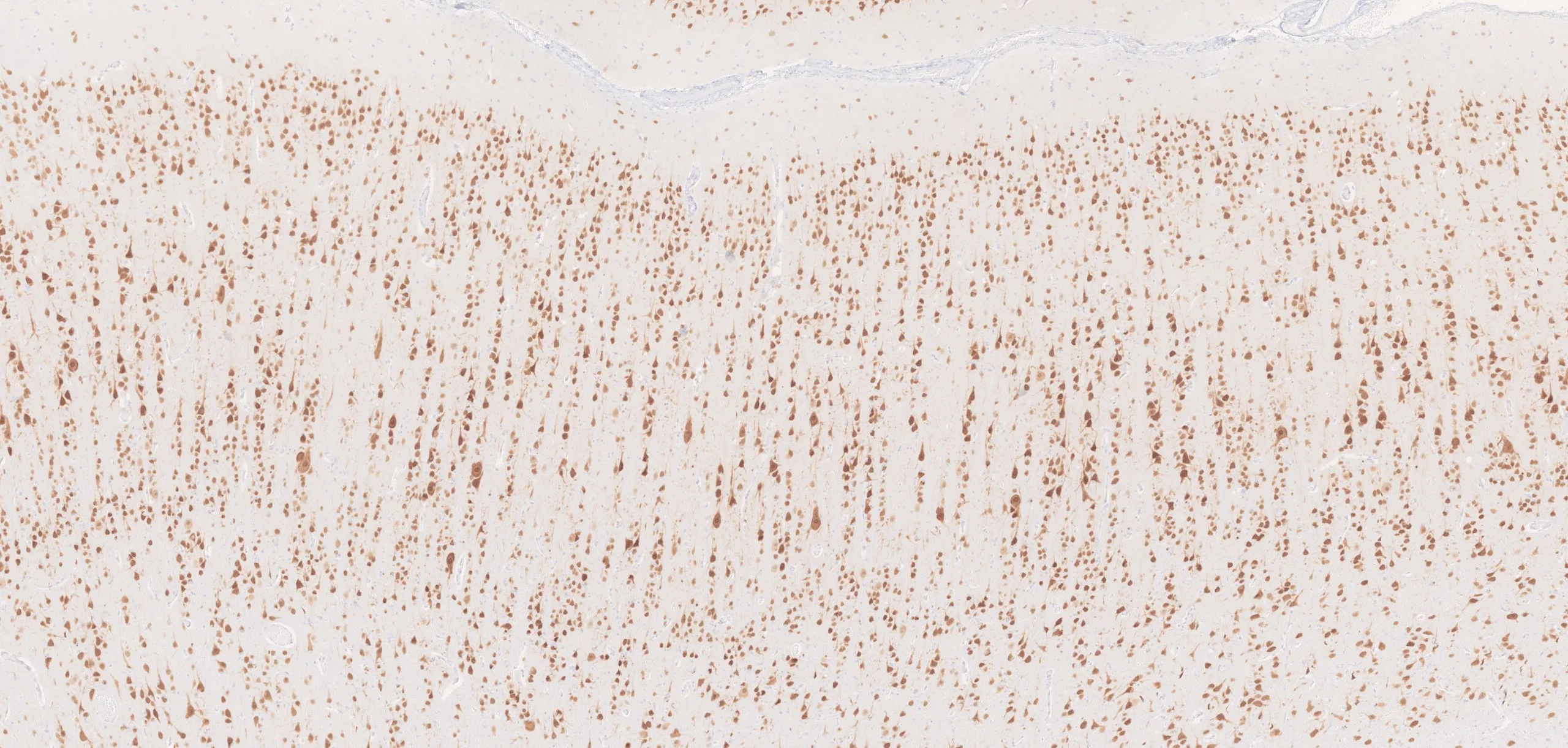
Patient heterogeneity is not treated simply as noise. It is part of the biological problem. Computational analysis / “Artificial Intelligence” allow us to identify patterns across cells and tissue that cannot be captured by visual assessment alone.
We call this approach Systems Neuropathology. Not what the tissue looks like (classical neuropathology), and not only what is molecularly altered in it (molecular neuropathology), but what state the brain is in and how it got there. We aim to understand epilepsy as a network disease and use that understanding to improve clinical decision-making from diagnosis to prognosis and treatment.
The Kobow Lab
Universitätsklinikum Erlangen
Dept. of Neuropathology
Schwabachanlage 6
91054 Erlangen, Germany
info[at]kobowlab.org
+49 (0) 9131 85-34782
Präsentiert von WordPress

